

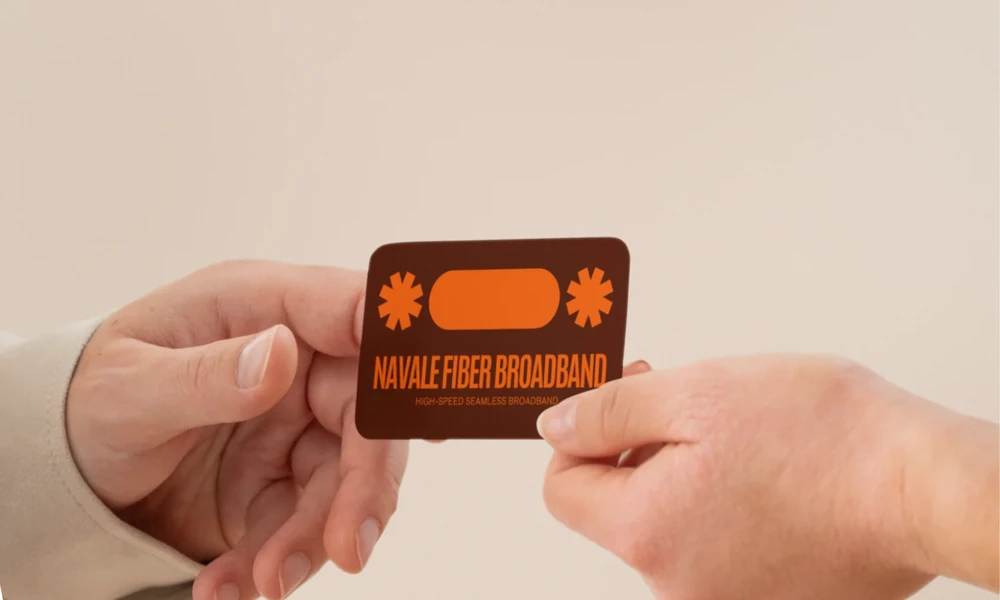
Affordable business cards can be useful for networking, local outreach, and everyday customer interactions. The goal is not simply to choose the lowest advertised price, but to get a readable, accurate card that represents the business well and arrives when needed.
Compare the complete order price
Look beyond the headline price per card. Compare the same quantity, finished dimensions, paper stock, printing sides, finish, taxes, shipping, and artwork fees. Some offers become less economical when delivery or setup charges are included. Calculate the total order cost and the cost per usable card. If the business is testing a new design, a smaller first order may be safer than buying a large quantity that could become outdated. Ask whether the quoted paper weight and finish match what you expect, and request a sample if the difference matters. Product images on a website may not communicate thickness, texture, or color accurately.
Choose a simple, readable design
A clean layout can look professional without expensive finishing. Prioritize the person’s name, business name, and the most useful contact methods. Use consistent alignment, sufficient contrast, and spacing that makes the information easy to scan. Avoid shrinking the type to squeeze in every service, social account, and slogan. If the design feels crowded, remove low-priority content. Good hierarchy often contributes more to perceived quality than decorative effects or a complex background. Before approving a bulk order, verify the delivery address and date, especially when cards are needed for an event. A low unit price offers little value if the order arrives too late to use.
Use standard sizes and stock
Standard card dimensions and commonly stocked paper options can help keep costs predictable. Specialty shapes, unusual sizes, foil, embossing, and premium textures may add expense or production time. A standard rectangular card on suitable stock can still be durable and polished. Confirm the printer’s specifications before designing, including bleed and safe margins. The provider’s template should determine the final setup rather than a generic measurement copied from another printer. Ask whether the quoted paper weight and finish match what you expect, and request a sample if the difference matters. Product images on a website may not communicate thickness, texture, or color accurately.
Decide whether both sides are necessary
Double-sided printing can create room for a short service list, appointment details, or a QR code, but it is not essential for every business. A single-sided card may be enough if it keeps the main contact information clear. Compare the incremental price with the actual value of the extra space. Avoid filling the reverse side merely because it is available. If the additional content is useful, organize it so that it supports the card’s main purpose. Before approving a bulk order, verify the delivery address and date, especially when cards are needed for an event. A low unit price offers little value if the order arrives too late to use.
Prepare print-ready artwork
Use a high-resolution logo and export the design in the file format requested by the printer. Check the finished size, bleed, safe area, color contrast, and whether fonts display correctly. Keep important text away from the cutting edge. If you use a QR code, test it on a phone and make sure it points to a stable destination. Following the printer’s template can prevent avoidable corrections or reprints, which may cost more than choosing a slightly better paper stock. Ask whether the quoted paper weight and finish match what you expect, and request a sample if the difference matters. Product images on a website may not communicate thickness, texture, or color accurately.
Consider online printers and local shops
Online services can make it easy to compare quantities, templates, and delivery options. Local print shops may be more useful when you need to inspect a sample, ask for design help, or collect cards quickly. Compare total cost, estimated turnaround, proofing process, customer support, and the policy for printing errors. Do not assume the cheapest option is the best if the deadline is tight or the artwork needs assistance. Before approving a bulk order, verify the delivery address and date, especially when cards are needed for an event. A low unit price offers little value if the order arrives too late to use.
Order a sensible quantity
The right quantity depends on how often you hand out cards and how quickly details may change. A large order can reduce the unit price, but unused cards become waste if the phone number, title, website, or branding changes. Estimate your expected use over a reasonable period and account for upcoming events. If several staff members need cards, confirm names and contact details before placing the combined order. Ask whether the quoted paper weight and finish match what you expect, and request a sample if the difference matters. Product images on a website may not communicate thickness, texture, or color accurately.
Avoid false savings
A low-cost card is poor value if the text is too small, colors are difficult to read, the cut is uneven, or contact information is wrong. Review the proof carefully and save the approved file for future orders. Check the provider’s reprint policy and understand what counts as a production error. If the design is important to the brand, request a sample or start with a modest quantity before committing to a larger order. Before approving a bulk order, verify the delivery address and date, especially when cards are needed for an event. A low unit price offers little value if the order arrives too late to use.
Use QR codes selectively
A QR code can direct recipients to a portfolio, booking page, digital contact profile, or product catalogue. It should not make the card dependent on a phone, and it should not replace essential contact details. Keep the code large enough to scan and leave clear space around it. Test the final artwork before approval. A short, memorable web address can sometimes be a simpler and more durable option. Ask whether the quoted paper weight and finish match what you expect, and request a sample if the difference matters. Product images on a website may not communicate thickness, texture, or color accurately. For additional context, consult the printer’s production guidance and adapt the guidance to your jurisdiction and business needs.
Create a repeatable reordering process
Keep a master design file, a print-ready export, the printer’s specifications, and the order details in one place. When information changes, update the source file and check every occurrence of the old details before exporting. Use a version date or clear filename so an obsolete file is not sent by mistake. Cheap business cards are most valuable when the price is reasonable, the design is readable, and the printing process is consistent. Before approving a bulk order, verify the delivery address and date, especially when cards are needed for an event. A low unit price offers little value if the order arrives too late to use.
Conclusion
Cheap business cards can still look professional when the design is clear, the details are correct, and the print specification suits the job. Compare the full cost and keep the approved artwork for consistent reorders.
